Freezing Feta - Can You Freeze Feta?
Feta is a popular cheese in many cuisines and is often used for salads, sandwiches, and pasta dishes. But what happens if you've bought a larger quantity of feta and can't consume it within a certain period? Can you freeze feta? The answer is yes, you can freeze feta, but there are a few things to consider. Feta is a delicate cheese, and freezing can affect its consistency and taste. To avoid this, it's recommended to cut the feta into small pieces and store it in airtight containers or bags. It's also important to thaw the feta slowly to preserve its texture. If you follow these tips, you can be sure that you can store your feta for a long time and enjoy it later.Note: Our recommendation for suitable freezer containers with glass lids for environmentally friendly freezing of feta:
No products found.
* Affiliate links / Image source: Amazon
How to Freeze Feta
If you want to extend the shelf life of your feta, you can freeze it without hesitation. However, it is important to note a few things so that the feta can still be enjoyed after thawing. An airtight packaging is best suited for this to prevent freezer burn. You should also cut the feta into small pieces or crumble it before freezing. This way, you can portion and use it more easily later. When thawing, you should let the feta thaw slowly in the refrigerator or at room temperature to maintain its consistency. This way, you can always enjoy a fresh portion of feta, even if you don't go shopping often.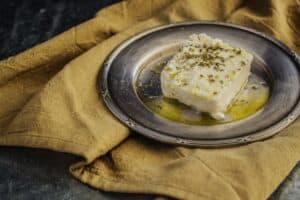
Things to Consider When Freezing Feta
Freezing feta can extend its shelf life, allowing you to always enjoy it fresh. However, there are a few things to consider to ensure that its taste and consistency do not suffer. It is important to drain the feta well before freezing so that no excess water is frozen in the feta. In addition, the feta should be packed as airtight as possible to minimize condensation.Tip: Our recommendation for the right freezer containers with plastic lids for your feta:
No products found.
* Affiliate links / Image source: Amazon
When thawing, it is advisable to thaw the feta slowly in the refrigerator or at a low temperature in a water bath. This preserves the taste and consistency of the feta cheese. With our tips, you can easily stock up on feta and always conjure up fresh cheese dishes.How long to freeze feta - how long frozen feta cheese lasts
Feta cheese is a popular ingredient in many dishes and is well suited for freezing to extend its shelf life. But how long does frozen feta actually last? The answer: Frozen feta can be stored in the freezer for up to 6 months without affecting its quality. However, it should be noted that the feta will not have the same consistency after thawing as fresh feta. It will be a little more crumbly and cannot be sliced as well. Nevertheless, it is still excellent for preparing salads, as a pizza topping, or as an ingredient in casseroles. So, don't shy away from freezing feta and always having a delicious ingredient at hand.
How to Thaw Frozen Feta Correctly
When you freeze your feta, it's important to thaw it at the right temperature and for the right duration to ensure it retains its consistency and flavor. The best way to thaw frozen feta is in the refrigerator, by letting it thaw slowly overnight. If you're in a hurry, you can also thaw the feta in the microwave or in a bowl of warm water, but be careful not to damage the feta. This way, you'll ensure your feta thaws perfectly and you can enjoy it.Our FAVORITE freezer containers for every use:
No products found.
* Affiliate links / Image source: Amazon
Can you freeze feta made from cow’s milk?
Feta cheese is a popular ingredient in many dishes and is often used as a salad topping or in warm meals. To make it last longer, the question often arises whether it can be frozen. But what about feta made from cow's milk? Basically, freezing feta made from cow's milk is not a problem and can help the feta remain edible for longer. However, it can happen that the consistency of feta made from cow's milk becomes a little more crumbly due to freezing. To avoid this, it is advisable to cut the feta made from cow's milk into cubes or crumble it before freezing. This way, it can be easily portioned and measured. Also important: When thawing, the feta should be thawed slowly in the refrigerator so that it does not thaw too quickly and thus loses its consistency.
Our recipe for freezing feta dip
This recipe for a feta dip is ideal for freezing and enjoying later. You can prepare the feta dip in advance and thaw it when needed to always have a delicious feta dip on hand. Ingredients:- 200 g feta cheese
- 100 g cream cheese (natural)
- 2 cloves garlic
- 1 tbsp olive oil
- 1 tbsp lemon juice
- 1/4 tsp salt
- 1/4 tsp pepper
- 2 tbsp fresh parsley (chopped)
- Optional: 1/4 tsp paprika powder
- Crumble feta: Crumble or cut the feta cheese into smaller pieces.
- Mince garlic: Peel the garlic cloves and chop them finely or press them through a garlic press.
- Prepare feta dip: In a bowl or blender, combine the crumbled feta, cream cheese, garlic, olive oil, lemon juice, salt, and pepper. Mix everything well until a creamy consistency is achieved. Then stir in the chopped parsley.
- Optional: Add paprika powder: For a slightly spicy note, you can add some paprika powder to the feta dip.
- Freeze feta dip: Transfer the prepared feta dip into a suitable freezer container or a resealable freezer bag. Make sure the container or bag is tightly sealed to prevent freezer burn. Label the container or bag with the date and type of dip.
- Storage: Freeze the feta dip in the freezer. It can remain frozen for up to 3 months.
- Remove the feta dip from the freezer at least 4 hours before serving and let it thaw in the refrigerator.
- Before serving, remove the feta dip from the freezer container or freezer bag and place it in a bowl. To restore the creamy consistency, stir the dip well.
- Serve and enjoy the thawed feta dip with vegetable sticks, crackers, or bread!

This is Lukas. Lukas loves to write and cook. This is how he came into contact with the topic of freezing and thawing food. He shares his personal experiences on the topic of freezing food in the form of written articles and posts.
Our Latest Blog Posts



Freezing kohlrabi - how to do it right
March 16, 2026
Freezing green asparagus - here's how to do it correctly
March 13, 2026
Freezing cauliflower - how to do it right
March 12, 2026