
Freezing food and thawing it correctly
On our website, you will find advice and help articles on the topic of freezing food and thawing it correctly.

Freezing & Thawing Crab - How to Do It Right
Freezing crab - can you freeze crab? Crab is a delicious and popular delicacy. But what..
Learn more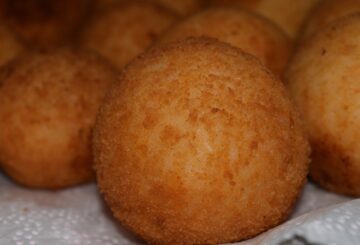
Freeze & Thaw Arancini - How to Do it Right
Freezing Arancini - Can You Freeze Arancini? Arancini are delicious, deep-fried rice balls filled with various..
Learn more
Freezing & Thawing Burrata Correctly - What You Should Pay Attention To
Freezing Burrata - Can You Freeze Burrata? Burrata is a soft cheese made from mozzarella and..
Learn more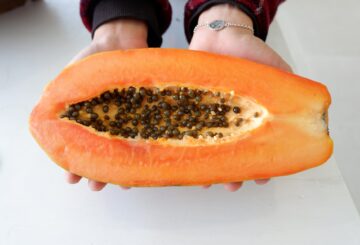
How to Freeze & Thaw Papaya Correctly - This is How You Do It
Freezing Papaya - Can You Freeze Papaya? Papaya is a delicious fruit packed with vitamins and..
Learn more
Freezing & Thawing Dates - How to Do It Right
Freezing dates - can you freeze dates? If you're wondering if you can freeze dates, here's..
Learn more
Our TOP Categories
Freezing food doesn’t always have to be difficult. With our tips and tricks on freezing food, you’ll master it in no time.
Our most popular posts









Freezing food correctly
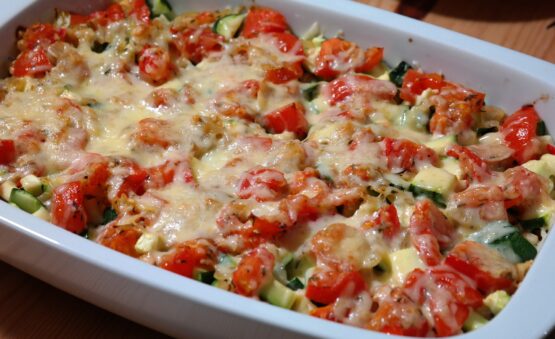
When freezing food, there are a few things to keep in mind to ensure it stays fresh and nutritious. First, make sure the food is clean and dry before freezing.
Any moisture on the surface of the food will lead to the formation of ice crystals, which can damage the cell structure of the food and affect its taste and consistency.
Wrap the food tightly in plastic wrap or aluminum foil. This will prevent freezer burn, which occurs when food is exposed to too much air. Label the food with the date it was frozen and ideally use it within a few months.
By following these simple tips, you can enjoy fresh, delicious food all year round!





How long can food be frozen?
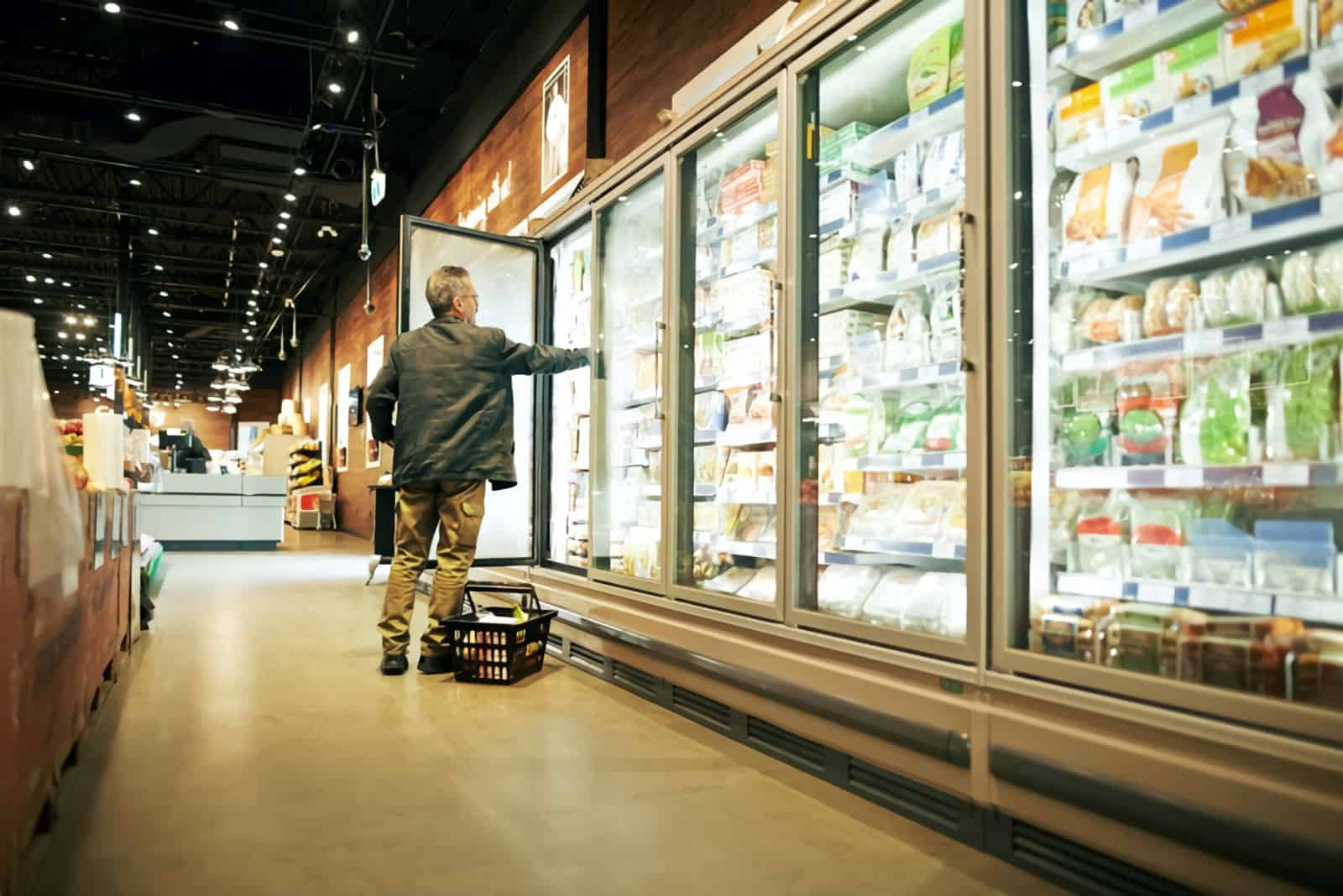
Most people have experienced the disappointment of taking frozen food out of the freezer only to find that it has thawed and gone bad. To avoid this waste, it is important to know how long different types of food can be safely stored in the freezer. In general, cooked meat and poultry can be stored for two to six months, while cooked fish should be consumed within two months. Soups and stews last two to three months, while most fruits and vegetables last eight to twelve months. Of course, these are only guidelines, and the actual shelf life of frozen food depends on a number of factors, such as the quality of the food at the time of freezing, the type of packaging, and the temperature in the freezer. However, by following these guidelines, you can ensure that your frozen food remains fresh and safe to eat. The U.S. Department of Agriculture recommends consuming most frozen food products within six to nine months for optimal quality. This applies to meat, poultry, fish, fruits, vegetables, and ready meals. However, some foods retain their quality for a longer period. Unopened packages of plain cream cheese, for example, can be frozen for up to six months, while opened cream cheese should be consumed within three to four weeks. Eggs can also be frozen for up to a year, although the yolk may become somewhat thick and crusty after thawing. In general, it is best to use frozen foods as soon as possible to avoid freezer burn. However, knowing how long certain foods can be stored in the freezer can help you avoid waste and ensure you always have a delicious meal on hand.What foods can be frozen?
Most people are familiar with the basics of freezing food: meat can be frozen, fruits and vegetables can be frozen, ice cream can be frozen, etc. However, there are some other things that can be frozen that you may not have thought of. For example, most types of bread can be frozen without losing their texture or flavor. This is especially useful if you buy bread in bulk or if you have leftover bread that you can't eat before it goes bad. In addition, most cooked pasta dishes can be frozen and reheated later. This is a great way to prepare quick meals on busy nights. So, the next time you're wondering what to do with excess bread or pasta, don't forget that you can put them in the freezer for later.What foods cannot be frozen?
Most people are surprised to learn that there are very few foods that cannot be frozen. With modern freezers, almost all foods can be safely stored at a temperature of 0 degrees Celsius. However, there are a few exceptions. Foods with a high water content, such as lettuce or watermelon, become mushy and unappetizing when frozen. In addition, already cooked foods often become dry and tough when frozen and thawed again. For these reasons, it is best not to freeze these types of foods. However, all other foods can be easily frozen and stored long-term. So stock up on your favorite foods – chances are they'll still taste just as good as the day you bought them, even if they've been in the freezer for months.Is it possible to refreeze thawed food?
You may have heard that you shouldn't freeze food twice. While it's true that some foods can suffer from freezer burn or become mushy after being frozen and thawed multiple times, refreezing food is safe in most cases. In fact, thawing and refreezing food can help preserve its quality. When food is frozen, ice crystals form, damaging cell walls. Thawing and refreezing food helps reverse this process, so the food often tastes fresher than if it had only been frozen once. So go ahead and refreeze those leftovers – they're just as safe to eat as the first time.How to vacuum seal and freeze food?
Vacuum sealing is a great way to keep food fresh and extend its shelf life. And since vacuum-sealed food takes up less space in the freezer, it's also a great way to save space! Here's how to vacuum seal and freeze food:- Start with clean, dry food. Wet or moist food spoils faster, so it's important to start with clean, dry food.
- Place the food in a plastic freezer bag. Make sure there is enough space at the top of the bag to suck out the air.
- Place the bag in the vacuum sealer. Follow the manufacturer's instructions for sealing the bag.
- Label and date the bag before placing it in the freezer. Vacuum-sealed food can last for months in the freezer, but it's always best to consume it within a few weeks to keep it as fresh as possible.