Table of Contents
Freezing Pizza Dough – Can You Freeze Pizza Dough?
Of course, you can freeze pizza dough, and it's even a fantastic method to always have a supply ready for quick and delicious meals.
In our experience, freezing homemade pizza dough is an excellent way to save time and energy without sacrificing the taste of a freshly prepared pizza.
When freezing pizza dough, it's important to prepare it correctly. We recommend freezing the dough after its first rise, i.e., when it has doubled in size. This step ensures that the yeast has already started its work, which leads to a better result after thawing.
Before freezing, the dough should be divided into portions and wrapped airtight to prevent freezer burn. Freezing pizza dough is not only practical but also a smart solution to always have something delicious to eat on hand.
Tip: Our recommendation for the right freezer containers with glass lids for environmentally friendly freezing of your pizza dough:
No products found.
* Affiliate links / Image source: Amazon
How to Freeze Pizza Dough
When freezing pizza dough, there are a few things to consider to achieve the best result.
First, you should divide the pizza dough into the desired portions. We recommend flattening the dough before freezing it. This will speed up the thawing process later.
Use cling film to wrap each dough portion individually, and then place them in a freezer bag. This keeps the pizza dough fresh and protects it from freezer burn.
When preparing pizza dough for freezing, write the date on the freezer bag. This way, you can keep track and use the dough while it is still at its best quality.
Tip: Our recommendation for the right freezer containers with plastic lids for your pizza dough:
No products found.
* Affiliate links / Image source: Amazon
These are the things you should definitely pay attention to when freezing pizza dough
The quality of your frozen pizza dough largely depends on how well you prepare it before freezing. It is crucial to wrap the pizza dough airtight to protect it from freezer burn and loss of flavor.
We recommend wrapping the pizza dough in cling film and then placing it in a freezer bag. Make sure to press out as much air as possible from the bag before sealing it.
Another important aspect is labeling the packaging with the freezing date.
By following our tips, you ensure that your pizza dough still tastes excellent even after freezing.
Freezing risen pizza dough - these things are important
Freezing risen pizza dough requires special attention to preserve its quality.
After the pizza dough has risen, a structure forms that allows the pizza to become wonderfully airy when baked. To maintain these properties even after freezing and thawing, we recommend carefully dividing the risen pizza dough into portions without crushing the air bubbles too much.
Wrap each portion individually in cling film and then in a freezer bag. This protects the risen pizza dough from drying out and preserves its texture.
When thawing risen pizza dough, patience is required. Let the pizza dough thaw slowly in the refrigerator to achieve the best baking results.

How to freeze pizza rolls
Freezing pizza rolls is a brilliant idea for anyone who wants to have snacks or quick meals on hand.
Prepare the pizza rolls as usual, but let them cool completely before freezing. Then, place the pizza rolls individually on a baking sheet to prevent them from sticking together, and pre-freeze them briefly.
Once they are firm, you can transfer the pizza rolls to a freezer bag. Don't forget to mark the date on the bag.
To eat, simply let the pizza rolls thaw at room temperature or warm them directly in the oven. This way, you always enjoy fresh and crispy pizza rolls whenever you want.
Freezing pizza dough balls - caution with certain ingredients
When freezing pizza dough balls, special attention should be paid to the ingredients.
Whole wheat or spelt flour, for example, affect the freezing and thawing behavior of the dough. These types of flour contain more fiber and can therefore retain more moisture, which should be taken into account during the freezing process.
We advise making pizza dough balls from these flours a little drier to counteract a possible excess of moisture after thawing.
Carefully wrap the pizza dough balls to protect them from air and moisture. This ensures that your dough balls provide the perfect base for delicious pizzas even after thawing.
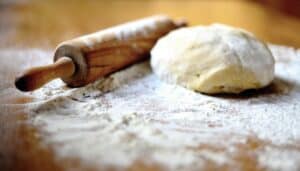
Freezing pizza dough balls - a good option for home storage
Freezing pizza dough balls is an excellent strategy to always have a supply of pizza dough at home. After the first rise, shape the dough into balls and freeze them individually. This way, you can thaw exactly the amount you need without having to use the entire dough at once.
When freezing pizza dough balls, it is important to pre-freeze them on a tray or baking sheet first so that they do not stick together. Afterwards, the pre-frozen pizza dough balls can be transferred to freezer bags.
Remember to note the freezing date to ensure freshness. The pizza dough balls offer a flexible and time-saving option for preparing fresh pizza at home.
Freezing pizza bases - how to succeed
Freezing rolled-out pizza bases is a practical method to speed up pizza preparation.
Roll out the pizza dough and pre-bake the base for a few minutes until it just begins to harden, but is not yet fully baked through. Let the base cool completely before freezing.
Use parchment paper between the bases if you want to freeze several on top of each other to prevent sticking. The pre-baked pizza base can be topped directly from the freezer and baked, saving you valuable time.
This method is ideal for anyone who loves the freshness and taste of homemade pizza but doesn't always have time to prepare the dough.
Our FAVORITE freezer containers for every use:
No products found.
* Affiliate links / Image source: Amazon
How long frozen pizza dough lasts in the freezer with proper storage
Frozen pizza dough lasts about 4 months in the freezer with proper storage. The shelf life can vary depending on the ingredients used.
It is important that the pizza dough is wrapped airtight to protect it from freezer burn and loss of flavor. Note the freezing date on the freezer bag to monitor the quality.
With longer storage, the pizza dough may lose flavor and its baking properties may change.
Our recommendation is to use the pizza dough within 3 months to ensure the best quality and taste of your pizza.
When freezing pizza dough, it is advisable to divide it into portions so that you can only thaw the amount you actually need. This not only facilitates meal planning but also helps to avoid food waste.
Properly thawing frozen pizza dough
When it comes to freezing pizza dough and especially thawing it, many questions often arise.
Our recommendation is based on experience and knowledge: To achieve the best taste and ideal texture, it is crucial to thaw frozen pizza dough correctly. When preparing your delicious pizza, whether with homemade pizza dough or even ready-made pizza dough, you should consider a few points.
First of all, if you freeze pizza dough balls, it is advisable to store them individually. This way, you can thaw exactly the amount you need without having to waste excess dough.
The thawing process plays a crucial role in the final result of your pizza. We recommend letting the frozen pizza dough thaw slowly overnight in the refrigerator. This gradual process helps to cool the dough evenly and prevents shock thawing, which could impair the quality.
Freezing fresh pizza dough and thawing it later also means that you are preparing to have a dough that is almost as good as freshly made. Once the pizza dough is completely thawed, we advise you to let it rest briefly at room temperature before processing. This makes it easier to roll out and shape the pizza base.
The quality of the thawed pizza dough can strongly depend on how it was frozen. Pizza dough for freezing should always be wrapped airtight to prevent freezer burn and loss of flavor. Remember to exercise the same care when freezing and thawing pizza dough to achieve the best possible result.
Quickly thawing frozen pizza dough - these are your options
Sometimes you need to be quick and don't have time to let your pizza dough thaw overnight in the refrigerator. Don't worry, there are methods to quickly thaw frozen pizza dough without significantly affecting the quality. Our experience has shown that there are indeed practical ways to enjoy delicious pizza without long waiting times.
One method to quickly thaw frozen pizza dough is to use room temperature. Take the pizza dough out of the freezer and leave it in its packaging at room temperature. Depending on the size and thickness of the dough, this process can take several hours. It is important not to expose the pizza dough directly to the sun or a heat source, as this could unevenly stimulate yeast activity and impair the quality of the dough.
For those who are even more in a hurry, you can also thaw the frozen pizza dough in a cool water bath. Make sure the pizza dough is wrapped airtight to avoid contact with water. This method can significantly speed up the thawing process, but requires your attention to ensure that the dough does not stay in the water for too long.
Whether you are freezing Neapolitan pizza dough, pizza dough balls, or even pizza rolls, the key to quick thawing lies in the method you choose.
Patience and care are crucial to ensure that your dough retains the best possible quality.
Regardless of the method, our advice is to let the pizza dough rest briefly after thawing before processing it. This ensures that the pizza dough reaches the correct temperature and consistency to make your pizza perfect.
Freezing homemade pizza dough - our recipe
Ingredients list:
- 500 g flour (Type 00, if available)
- 300 ml lukewarm water
- 2 tsp salt
- ½ cube fresh yeast (approx. 21 g) or 7 g dry yeast
- 1 tsp sugar
- 2 tbsp olive oil
Instructions:
- Activate yeast:
- Dissolve the fresh yeast or dry yeast together with the sugar in 100 ml of the lukewarm water.
- Let the mixture stand for about 5-10 minutes until it starts to foam.
- Prepare dough:
- In a large bowl, mix the flour with the salt.
- Make a well in the center and pour in the yeast mixture, the remaining water, and the olive oil.
- Knead dough:
- Knead all ingredients into a smooth dough. This can be done by hand or with a stand mixer and takes about 10 minutes.
- If the dough is too sticky, add a little more flour. If it is too dry, a little more water.
- Let dough rise:
- Form the dough into a ball and place it in an oiled bowl.
- Cover the bowl with a damp cloth and let the dough rise in a warm place for about 1-2 hours until its volume has doubled.
- Portion dough:
- After rising, punch down the dough briefly and divide it into desired portions (approx. 250 g for one pizza).
- Prepare for freezing:
- Form each portion into a ball and wrap it individually in cling film or place it in a freezer-safe bag.
- Make sure to remove as much air as possible before sealing the bag.
- Freeze pizza dough:
- Label the bags with the date and freeze the dough portions. The dough can remain frozen for up to 3 months.
For thawing and processing:
- Plan ahead and thaw the needed pizza dough overnight in the refrigerator.
- Before processing, let the dough rest at room temperature for about 30 minutes.
- Roll out the dough on a floured surface and top it as desired.

This is Lukas. Lukas loves to write and cook. This is how he came into contact with the topic of freezing and thawing food. He shares his personal experiences on the topic of freezing food in the form of written articles and posts.

Freezing kohlrabi - how to do it right
March 16, 2026

Freezing green asparagus - here's how to do it correctly
March 13, 2026

Freezing cauliflower - how to do it right
March 12, 2026