Freezing chestnut puree - can you freeze chestnut puree?
Those who enjoy delicious chestnut puree in autumn will certainly want to know if **freezing** is possible. The great news is: Yes, it works! This way, the **aromatic delight** can be preserved and enjoyed even after the chestnut season.
However, some points should be observed to avoid compromising the quality of the puree.
It is best to freeze the chestnut puree immediately after preparation and in small portions.
Tip: Our recommendation for the right freezer containers with glass lids for environmentally friendly freezing of your chestnut puree:
No products found.
* Affiliate links / Image source: Amazon
It is also important to pack it well and airtight. This way, nothing stands in the way of an aromatic delight in the next season!
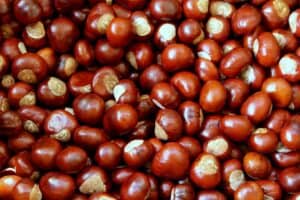
How to freeze chestnut puree
If you have cooked a lot of chestnut puree and cannot use it all at once, there is a simple solution: just freeze it!
But what is the best way to do it?
First, you should let the chestnut puree cool thoroughly before filling it into freezer bags or containers.
Tip: Our recommendation for the right freezer containers with plastic lids for your chestnut puree:
No products found.
* Affiliate links / Image source: Amazon
⟦33⟧Make sure to freeze only small portions so that thawing is faster later.Label the containers or bags with the date and content and make sure to freeze the chestnut puree as quickly as possible to prevent bacterial growth.
This way, you will still have some of your delicious chestnut puree in a few weeks or months!
Things to consider when freezing chestnut puree
First, you should divide the chestnut puree into suitable containers and seal them airtight. Make sure that the containers leave no room to avoid freezer burn or crystal formation.
The temperature and duration of freezing are also important factors. Chestnut puree should always be frozen at -18°C.
If you follow our tips, you can be sure to always have delicious chestnut puree on hand.
How long frozen chestnut puree lasts in the freezer with proper storage
If you have chestnut puree that you won't use immediately, it's a good idea to freeze it to enjoy later. But how long does frozen chestnut puree last?
With proper storage in the freezer, it can last up to 6 months.
However, we recommend using frozen chestnut puree within 2 months to ensure quality.
How to best thaw frozen chestnut puree
When it gets colder outside, there's nothing better than a hot cup of coffee and a piece of warm pastry. Perhaps you also have some chestnut puree left over that was frozen from last autumn. But what is the best way to thaw it so that it retains its original consistency?
The best method is to thaw the chestnut puree slowly in the refrigerator. This takes a little longer than at room temperature or in the microwave, but it ensures that the puree thaws evenly and does not become watery.
It is also important to remove the chestnut puree from the plastic bag before thawing and place it in a bowl or container to prevent it from absorbing moisture or being crushed.
Once the chestnut puree is thawed, you have a delicious treat that is perfect for cold days.
Making your own chestnut puree - our recipe
Ingredients:
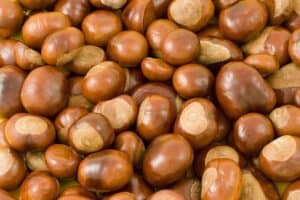
- 500 g sweet chestnuts
- 100 g sugar
- 1 vanilla pod
- 200 ml water
Instructions:
- First, the sweet chestnuts must be prepared. Cut a cross into the flat side of each chestnut with a sharp knife.
- Place the incised chestnuts in a pot of boiling water and blanch them for about 10 minutes.
- Remove the pot from the heat and let the chestnuts cool slightly. Then you can remove the shell and the inner skin. This should now be quite easy.
- Put the peeled chestnuts together with the sugar, the pulp of the vanilla pod and the water in a pot. Let everything simmer over low heat for about 20-30 minutes until the chestnuts are soft.
- Puree the mixture with an immersion blender or in a food processor until smooth. If the puree is too thick, you can add a little more water.
- The finished chestnut puree can now be used directly, filled into clean jars and stored in the refrigerator, or frozen at -18°C for up to 2 months.
This chestnut puree is a delicious side dish to meat dishes, but can also be used as a filling for desserts or as a spread on bread.

This is Lukas. Lukas loves to write and cook. This is how he came into contact with the topic of freezing and thawing food. He shares his personal experiences on the topic of freezing food in the form of written articles and posts.

Freezing and thawing sushi - pay attention to the following things
September 15, 2026

Freezing and thawing marzipan - here's how to do it correctly
September 14, 2026

Freeze & Thaw Strawberry Cake Properly with Our Tips
September 11, 2026