Table of Contents
Freezing parsnips – can you freeze parsnips?
Freezing parsnips is not only possible but also an excellent method to enjoy this delicious root vegetable for months.
In our experience, parsnips, when frozen correctly, largely retain their taste, texture, and nutrients.
It may be surprising, but frozen parsnips can be used in many ways as versatile as fresh ones. They are excellent for soups, stews, or as a side dish.
We recommend thoroughly washing, peeling, and cutting the parsnips into pieces as needed before freezing.
Blanching parsnips before freezing is an important step that is often overlooked. This process inactivates enzymes that could otherwise affect color, taste, and nutritional value.
So yes, you can and should freeze parsnips to maximize your harvest and have access to this nutritious vegetable all year round.
Tip: Our recommendation for the right freezer containers with glass lids for environmentally friendly freezing of your parsnips:
No products found.
* Affiliate links / Image source: Amazon
How to freeze parsnips
To freeze parsnips, there are some proven methods to ensure your vegetables come out of the freezer fresh and tasty.
First, blanching is a must. Dip the parsnips in boiling water for a few minutes and then quickly cool them in ice water. This process helps to deactivate enzymes that would otherwise lead to the deterioration of the vegetables over time.
After blanching and quick cooling, dry the parsnips thoroughly. We advise you to pre-freeze the parsnips on a baking sheet before transferring them to freezer bags. This prevents them from sticking together and allows for easier portioning.
Don't forget to label the bags so you know when you froze the parsnips.
Tip: Our recommendation for the right freezer containers with plastic lids for your parsnips:
No products found.
* Affiliate links / Image source: Amazon
What you should definitely pay attention to when freezing parsnips
When freezing parsnips, there are some essential points you should definitely pay attention to.
Quality first: Only select fresh, undamaged parsnips for freezing. Damaged vegetables tend to spoil faster, even when frozen. Make sure to thoroughly wash and peel the parsnips to remove any dirt and possible pesticide residues.
Blanching is a crucial step that you should not skip, as it significantly improves the shelf life and quality of your vegetables in the freezer.
Another tip from us is to cut the parsnips into small portions so that you can later thaw exactly the amount you need without having to waste the rest.
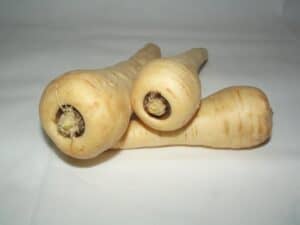
How long frozen parsnips last in the freezer with proper storage
Frozen parsnips, when stored correctly, can last a considerable time in the freezer.
Generally, parsnips can be stored for up to 9 months under optimal conditions. It is important that they are airtight to prevent freezer burn.
A good tip is to use freezer bags and squeeze out as much air as possible before sealing them. The parsnips should be stored in the coldest part of your freezer to minimize temperature fluctuations.
In our experience, parsnips retain their quality best this way and are always ready to be incorporated into your favorite recipes.
Our FAVORITE freezer containers for every use:
No products found.
* Affiliate links / Image source: Amazon
Properly thawing frozen parsnips
Thawing frozen parsnips is a process that should be approached carefully to maintain the best possible texture and taste.
One method is to thaw the parsnips slowly in the refrigerator. While this takes longer, it preserves the quality of the vegetables.
If you are in a hurry, you can also add the parsnips directly from the freezer to boiling water. This is particularly practical if you want to cook the parsnips as part of a dish.
However, we advise against thawing in the microwave, as this can lead to an uneven texture.
Please note that once thawed, parsnips should not be refrozen to ensure the quality and safety of the vegetables.

This is Lukas. Lukas loves to write and cook. This is how he came into contact with the topic of freezing and thawing food. He shares his personal experiences on the topic of freezing food in the form of written articles and posts.